A high traffic site I host for a client needed to be available on both HTTP and HTTPS. This particular site, though, needed different caches depending on what scheme was used.
Note: Since Varnish doesn’t support HTTPS, it is in this case placed behind Nginx. Nginx then indicates any HTTPS requests passed onto by setting the X-Forwarded-Proto header.
With Varnish handling caching, this is what needed to be added to the configuration:
Here are some other posts you may like

If you have needs beyond what Caddy offers, you setup a reverse proxy to Nginx. Let's look at an example where you would use Nginx for caching. I also added a separate block, in case you want to pass reverse proxy it back to Caddy again. You may wonder, wouldn't…

Electric power companies, in general, are pretty much the same. Tibber however, is unlike any electricity company I had seen before. They try to utilise the data we get from smart devices, which they also sell, to save electricity, money and the environment, as well as improving comfort. It’s a…
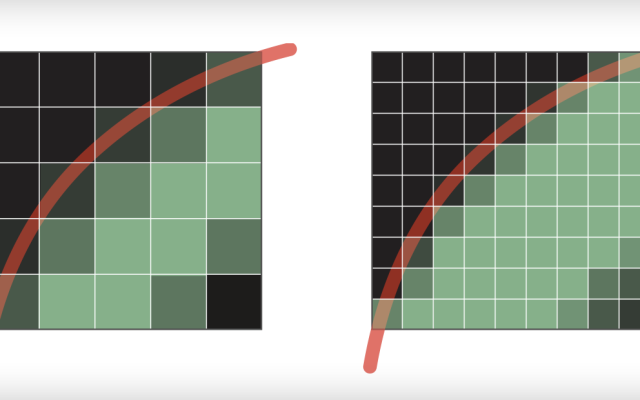
This post serves as a summary of what I talked about at the Wordpress Meetup Oslo on tuesday October 16th. First, as an introduction, we need to understand what it HiDPI or retina display means. It is the concept that 1 pixel doesn't display 1 unit on the operating system.…