A high traffic site I host for a client needed to be available on both HTTP and HTTPS. This particular site, though, needed different caches depending on what scheme was used.
Note: Since Varnish doesn’t support HTTPS, it is in this case placed behind Nginx. Nginx then indicates any HTTPS requests passed onto by setting the X-Forwarded-Proto header.
With Varnish handling caching, this is what needed to be added to the configuration:
Here are some other posts you may like

Electric power companies, in general, are pretty much the same. Tibber however, is unlike any electricity company I had seen before. They try to utilise the data we get from smart devices, which they also sell, to save electricity, money and the environment, as well as improving comfort. It’s a…
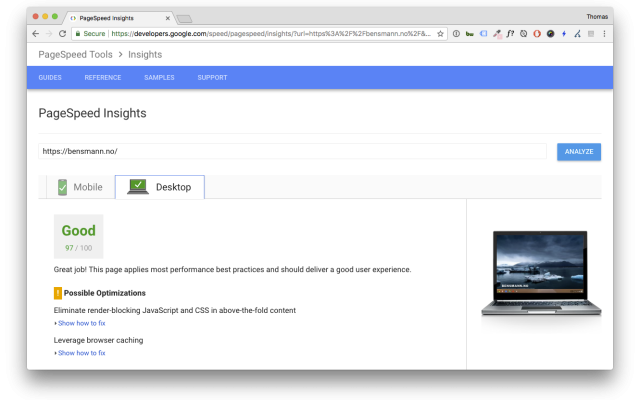
When I chose to venture back to the WordPress default theme, one of my worries was about my Google PageSpeed score. I had to take a serious hit, right? Spoiler, there is a surprise ending! Some years ago I had made it a mission to get the perfect score across…

Tesla Owners: Ever forget to reset your charging limit to 80% after a long drive? I've been there too! So, I automated this with Home Assistant. Now, whenever my Tesla is plugged in at home and the charge limit is over 80%, it automatically adjusts to 80% and sends me…