If you have needs beyond what Caddy offers, you setup a reverse proxy to Nginx. Let’s look at an example where you would use Nginx for caching. I also added a separate block, in case you want to pass reverse proxy it back to Caddy again.
You may wonder, wouldn’t it be simpler to just run Nginx in that case? Maybe, maybe not. It all depends on your needs.
In the example below I have a WordPress configuration where you could easily switch between passing the request to Nginx and passing it straight to PHP. You would simply change with_nginx to without_nginx. It also shows how you could support for purging URLs for the nginx cache, without exposing the purge URLs beyond access for localhost.
Here are some other posts you may like
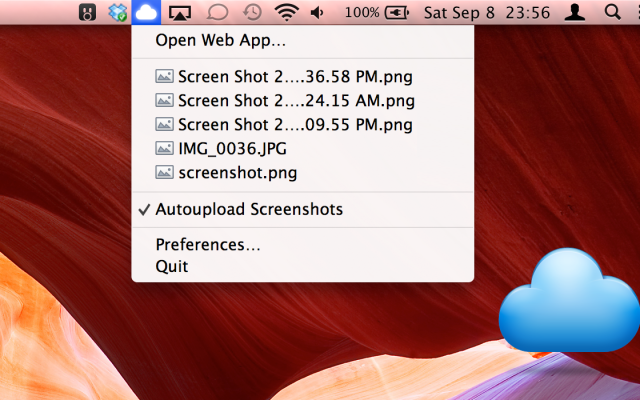
I snap screenshots quite often, whether the topic is a website that I am working on or anything else graphical that I might need feedback on. Because of this, I know how importent a certain amount of efficiency is. I hope this short guide can help your workflow when working…

Electric power companies, in general, are pretty much the same. Tibber however, is unlike any electricity company I had seen before. They try to utilise the data we get from smart devices, which they also sell, to save electricity, money and the environment, as well as improving comfort. It’s a…

Yesterday, during Tesla’s financial reporting, Elon Musk announced that the Model S and Model X will go out of production in Q2 this year, supposedly because they need the capacity in the Fremont factory to make room for Optimus robots. Whether that specific explanation is true or not… I’m honestly…